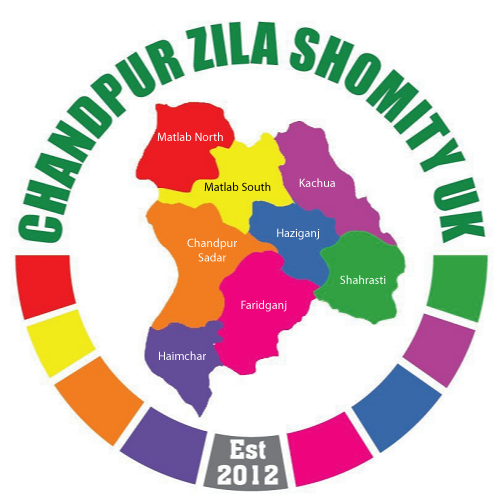
 CZS UK
History of Chandpur Zila:
Chandpur Zila is a district located in the Chittagong Division of Bangladesh. The history of Chandpur Zila dates back to the ancient times, when it was a part of the Kingdom of Samatata, which was ruled by the Varman dynasty. During the Mughal period, Chandpur was under the control of the Subahdar of Bengal. In the 17th century, the Portuguese established a trading post in the area, and the Dutch and French also had their presence there. During the British colonial period, Chandpur was a part of the Tippera district of Bengal. It was later made a sub-division of the Comilla district. In 1984, Chandpur was finally declared a district in its own right. Chandpur played an important role in the Liberation War of Bangladesh in 1971. The district was a stronghold of the Mukti Bahini, the freedom fighters who fought against the Pakistani Army. The district saw intense fighting between the Mukti Bahini and the Pakistani Army, with many people losing their lives. Today, Chandpur is a thriving district with a population of over 2.4 million people. It is known for its agriculture, with crops such as rice, jute, sugarcane, and vegetables being grown in the area. The district is also known for its natural beauty, with the Meghna River flowing through it and numerous wetlands and lakes dotting the landscape.
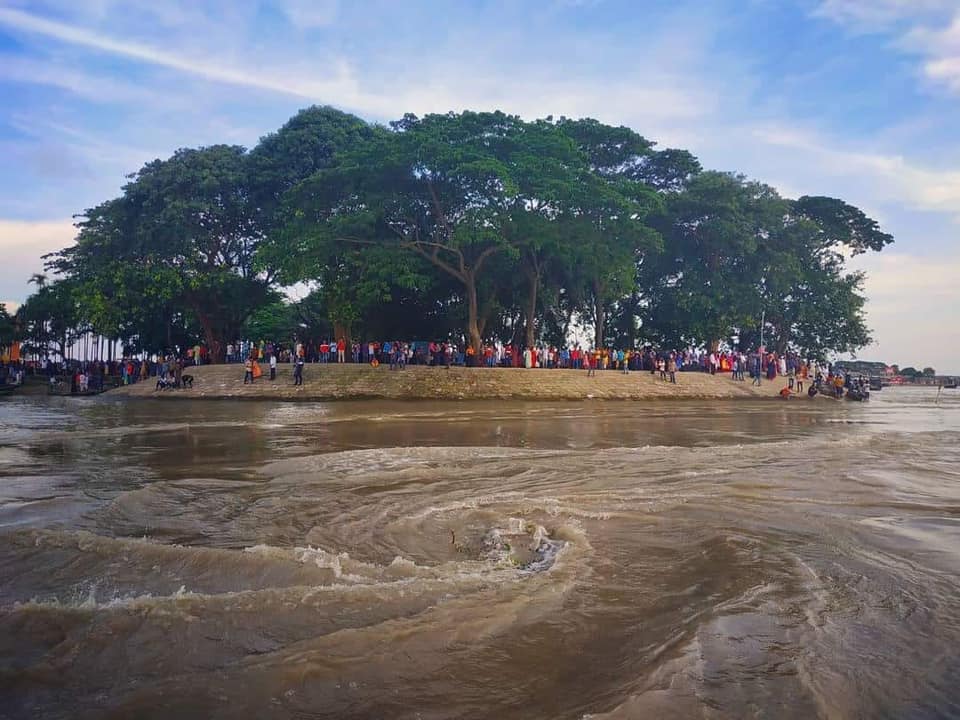
Chandpur Zila has several unique characteristics that make it exceptional. Here are some of them: 1. Natural beauty: Chandpur Zila is known for its natural beauty, with the Meghna River flowing through it and numerous wetlands and lakes dotting the landscape. The district is also home to the beautiful Haimchar Upazila and Kachua Upazila, which are known for their scenic beauty. 2. Historical significance: Chandpur Zila has a rich history that dates back to ancient times. The area was ruled by the Varman dynasty during the Kingdom of Samatata and was a part of the Mughal Empire during the medieval period. The district played an important role in the Liberation War of Bangladesh in 1971. 3. Cultural diversity: Chandpur Zila is home to people from different ethnic and cultural backgrounds. The district has a significant population of Hindu, Muslim, and Buddhist communities, which contributes to its cultural diversity. 4. Agricultural diversity: Chandpur Zila is known for its agriculture, with crops such as rice, jute, sugarcane, and vegetables being grown in the area. The district is also home to a variety of fish species, which are an important source of livelihood for many people. 5. Economic importance: Chandpur Zila is an important economic hub, with a thriving agricultural sector and a growing manufacturing industry. The district is also an important transportation hub, with a major river port and several highways connecting it to other parts of the country.
Hilsa fish, also known as ilish in Bengali, is a popular fish species found in the waters of Chandpur Zila, Bangladesh. The Hilsa fish is highly regarded for its rich, oily flavor and tender flesh, making it a delicacy in many parts of the world. Hilsa fish is an important part of the economy of Chandpur Zila, with thousands of people involved in the fishing, processing, and marketing of the fish. The district is renowned for its Hilsa fish, which is considered to be of high quality and is in great demand in local and international markets. The Hilsa fish is generally found in the Meghna River, which flows through Chandpur Zila, and its tributaries. The fish is caught using traditional fishing methods such as using nets, traps, and hooks. The fishing season for Hilsa fish is from June to October, and during this time, the fish is abundant in the waters of Chandpur Zila. The Hilsa fish is prepared and cooked in many different ways, depending on the local traditions and preferences. Some popular dishes made with Hilsa fish in Chandpur Zila include Hilsa curry, Hilsa bhaja (fried Hilsa), and Hilsa pulao (a rice dish made with Hilsa fish). The Hilsa fish from Chandpur Zila is also exported to many countries, including India, Pakistan, and the Middle East. In recent years, the government of Bangladesh has taken steps to promote the export of Hilsa fish, as it is considered to be an important source of foreign exchange for the country.